
Understanding Family Courts
From Petition to Final Decree
• The basic life cycle of a family law case
• The difference between common types of family law cases, including divorce and paternity matters
Family court can be confusing even for the people who work in it every day. For therapists and other mental health professionals, that confusion can become especially difficult when clients begin talking about hearings, temporary orders, discovery, mediation, custody evaluations, motions, and trial.
You do not need to become a family-law attorney.
But understanding where your client is in the process can make it easier to understand what they are experiencing, communicate effectively with other professionals, and recognize when a legal development may affect your clinical practice.
This training provides a practical, real-world walkthrough of the family court process, from the initial filing through final orders and beyond.
What You’ll Learn
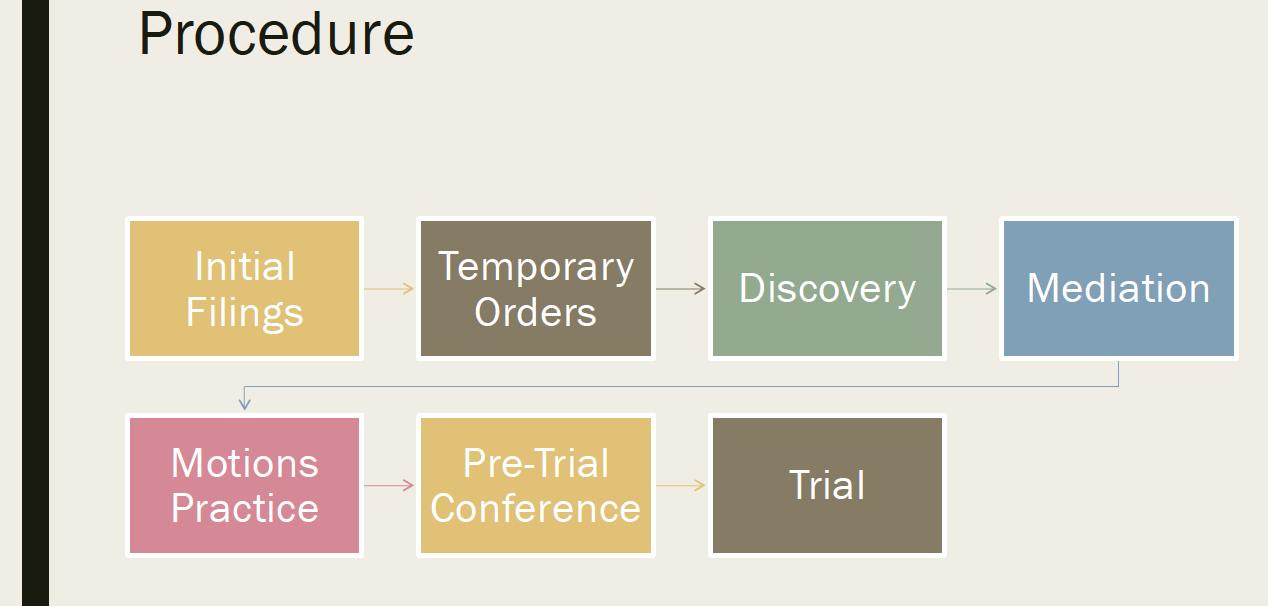
• What happens after a case is filed, including temporary orders, discovery, mediation, motions, pretrial proceedings, and trial
• How to recognize where a client is in the litigation process
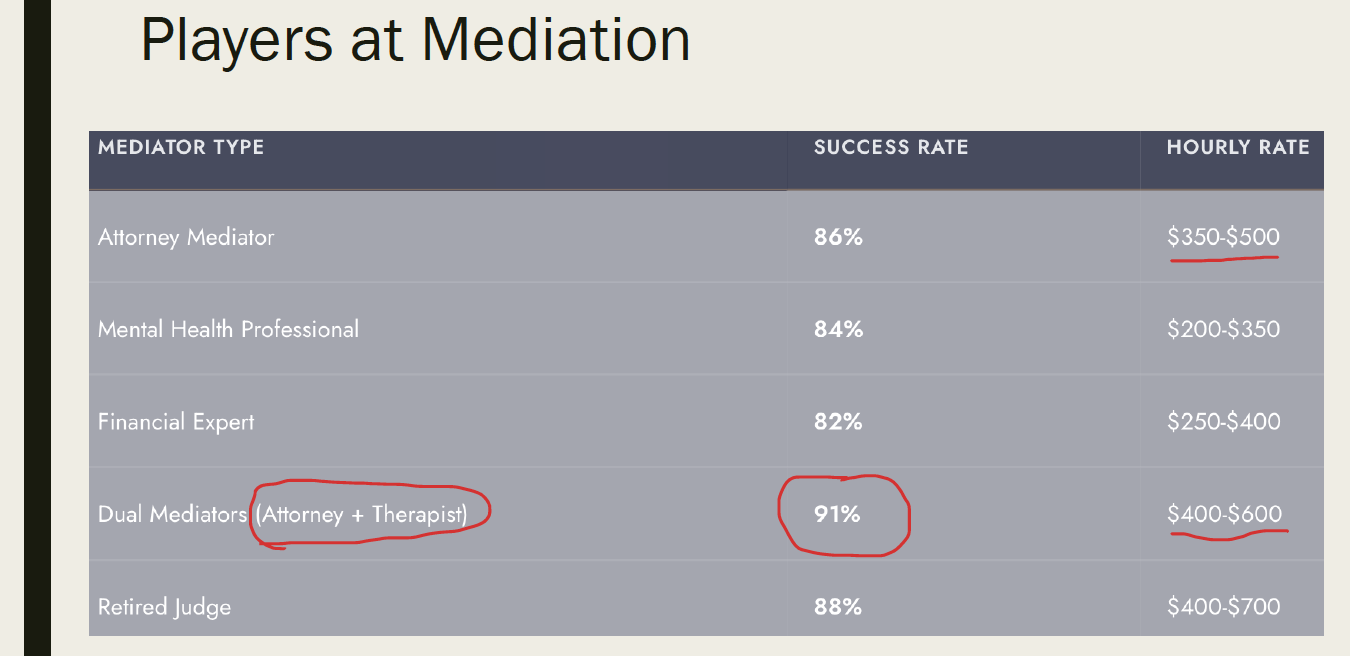
• Why different stages of litigation can create different types of stress for clients and families
• Common family-law terminology your clients may use
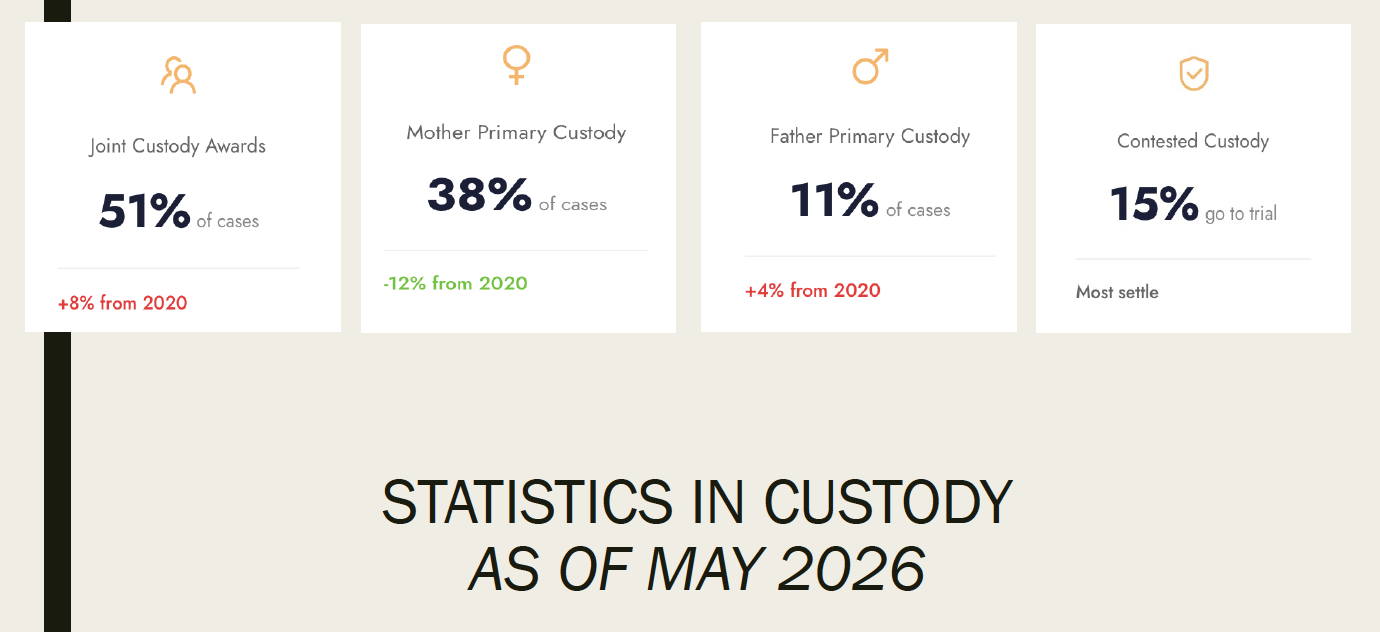
• How custody, parenting time, and other issues involving children can move through the court system
• What post-decree litigation can look like when families return to court after a final order
The Takeaway
By the end of the training, participants should have a better understanding of where their clients are in the family court process, what may be happening around them, and why certain stages of litigation can be particularly stressful.
Most importantly, participants leave with a framework for understanding the legal system without being expected to become legal professionals.