
You’ve Been Served
The Therapist Subpoena
• Where subpoena authority comes from and who may issue a subpoena
• How to recognize and understand common subpoena terminology
When the legal system comes knocking, know what to do.
Few things make a therapist's heart beat faster than an unfamiliar legal document arriving at the office.
A subpoena.
A court order.
A request for records.
A demand for testimony.
What does it mean? Do you have to comply? What records can be released? Who is entitled to them? What happens if the request conflicts with your office policies or professional obligations?
This training takes the mystery out of subpoenas and court orders and gives mental health professionals a practical framework for responding when their work becomes part of a legal proceeding.
What You’ll Learn
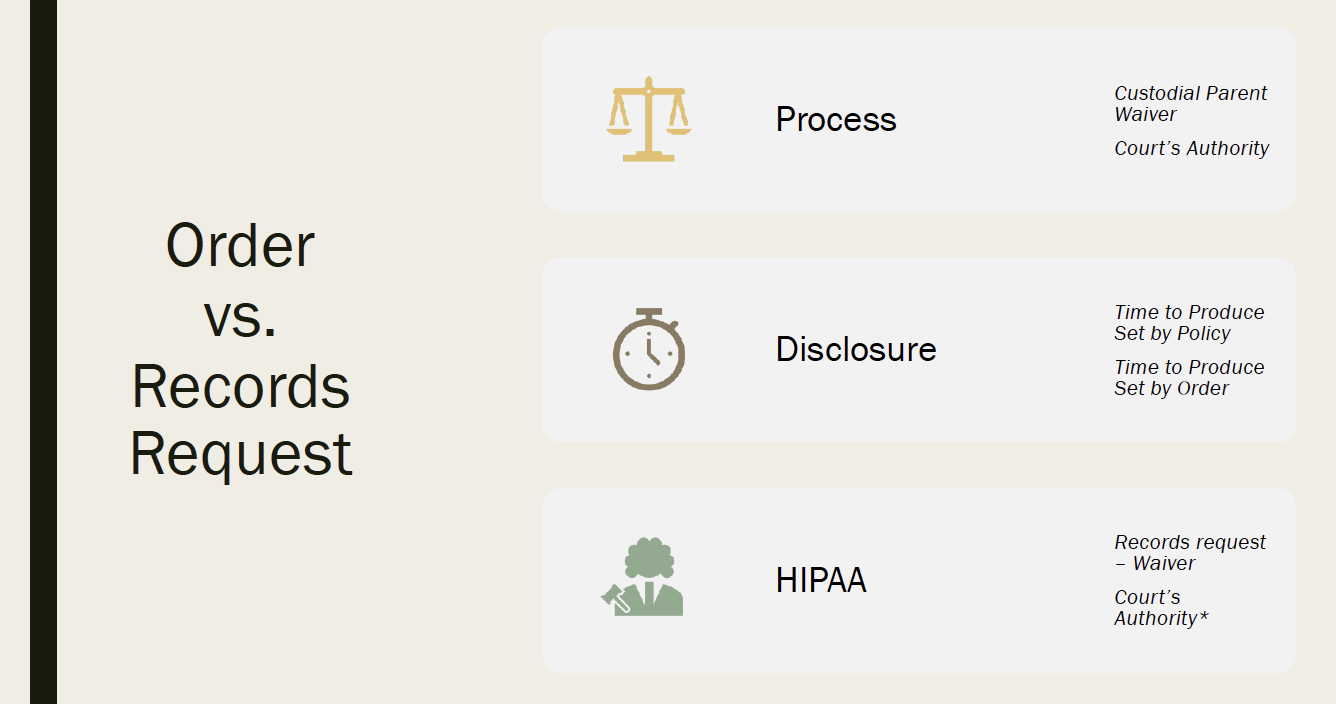
• The difference between a subpoena, a court order, and other legal documents
• The difference between requests for testimony and requests for records
• What to look for when a subpoena or court order arrives
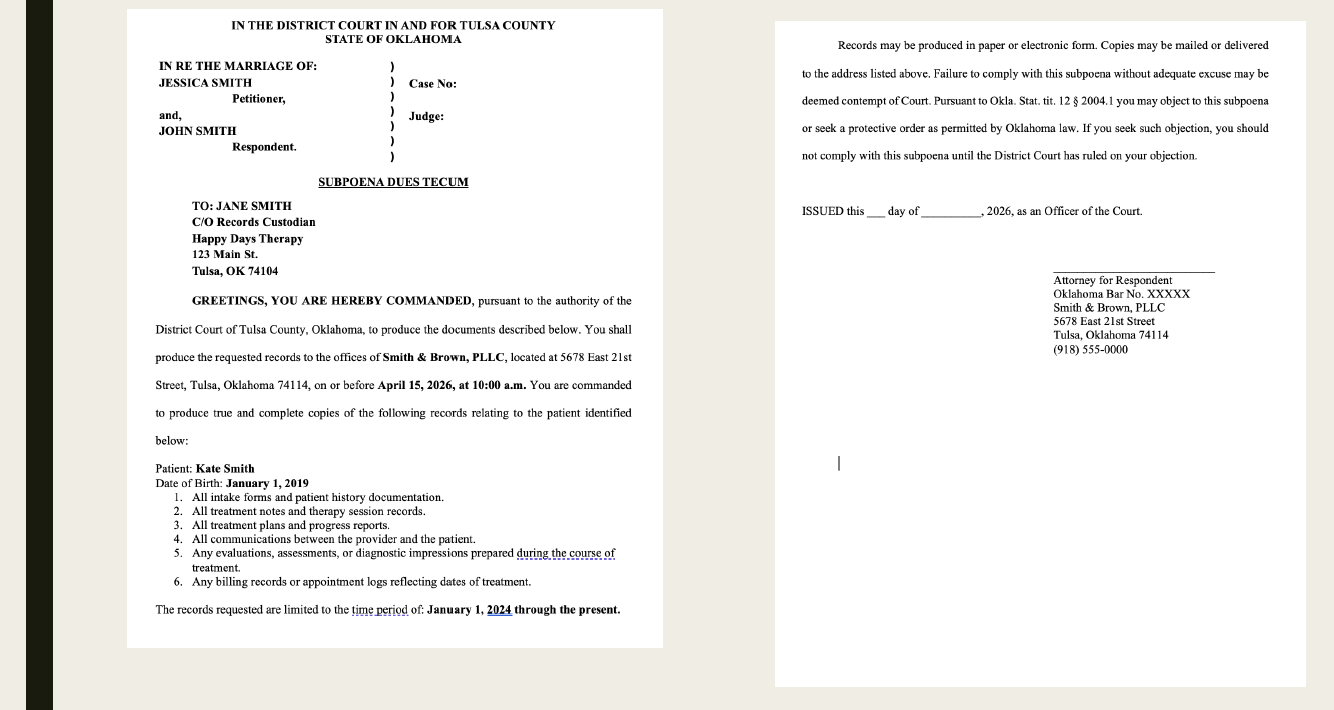
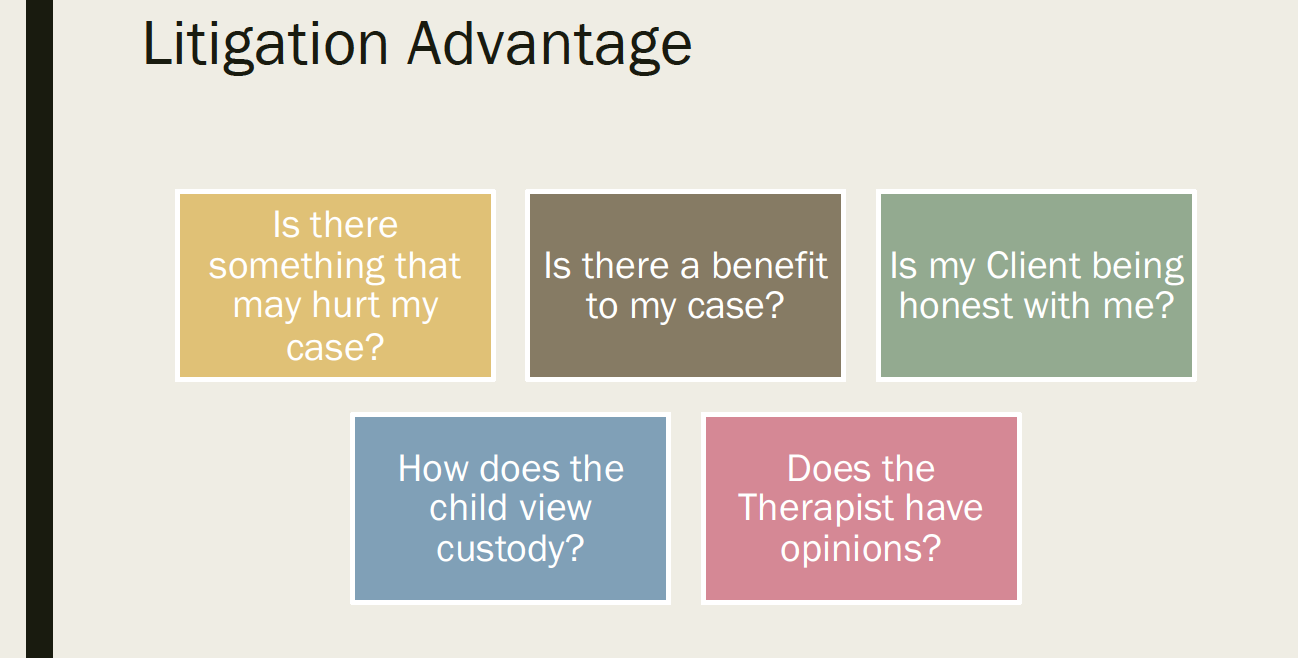
• Your responsibilities when responding to legal demands
• How professional ethics, licensing requirements, confidentiality obligations, and applicable law can intersect
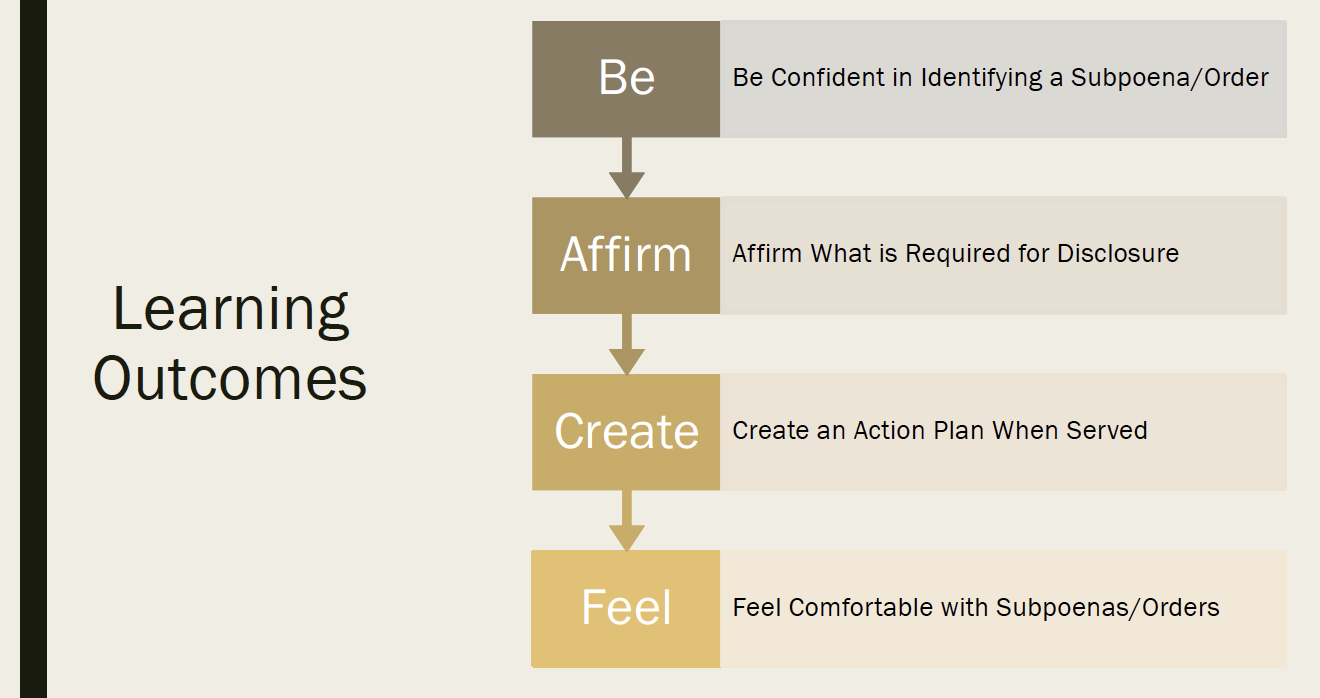
• Why office policies matter when responding to subpoenas and records requests
• How to develop a consistent response process for your practice
The Takeaway
When you receive a subpoena or court order, the goal is not to panic.
The goal is to have a plan.
Participants leave this training with a clearer understanding of subpoenas and court orders, a framework for responding to them, and practical ideas for developing office procedures that make the process more manageable.